Why Retailers Today Need Specifications and Standards Software to Deliver Consistent Store Refits
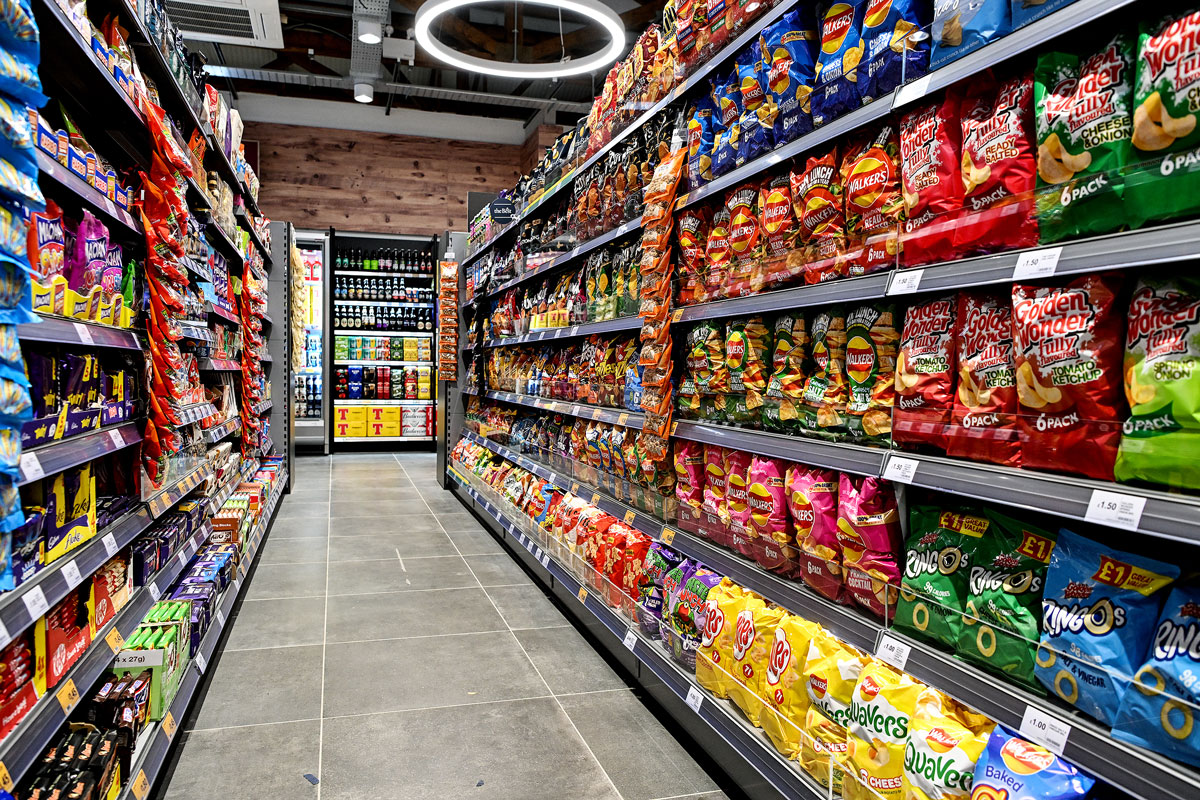
In retail, consistency matters.
Customers may visit a brand online, through an app or at multiple physical locations, but wherever they interact with that retailer, they expect the experience to feel familiar. From branding and signage to store layouts, fixtures, lighting and equipment, every detail contributes to how a customer perceives a brand.
For retailers managing large estates, achieving that consistency can be challenging, particularly when stores are regularly being refurbished, refreshed or adapted to meet changing customer expectations.
This is where IconSystem from Eleco plays a critical role, helping organisations maintain control of specifications, standards and project information throughout the project lifecycle.
The Importance of Consistency in Retail
A strong retail brand is built on recognition and trust. When customers walk into a store, they should immediately understand where they are, what the brand represents and how to navigate the space.
Consistency helps create that familiarity.
While individual stores may vary in size, location and format, core design principles and brand standards should remain consistent. The materials used, equipment specified, signage installed and overall presentation of the environment all contribute to a cohesive customer experience.
When these elements vary significantly between locations, the customer experience can become fragmented. One store may feel modern and aligned with the brand, while another feels outdated or inconsistent.
For retailers, this is not simply an aesthetic issue. The store environment can influence how customers move through a space, interact with products and ultimately make purchasing decisions. A well-planned, consistent environment can make it easier for customers to find what they need, discover additional products and enjoy a more positive experience.
That can translate directly into increased customer loyalty and stronger sales performance.
The Challenge of Managing Store Refits at Scale
Delivering a consistent retail environment becomes more difficult as an estate grows.
A store refit can involve numerous internal teams, external consultants, designers, contractors, suppliers and equipment manufacturers. Each stakeholder needs access to accurate information about the retailer’s latest standards and specifications.
If this information is stored across spreadsheets, PDFs, emails and shared drives, maintaining control can quickly become difficult.
Which version of a specification is current? Has a particular fixture been approved? Has an equipment model been replaced? Are contractors working from the latest design standards?
Without a central source of accurate information, mistakes become more likely.
The wrong equipment may be ordered. Outdated specifications can find their way into new projects. Contractors may interpret requirements differently. These inconsistencies can lead to delays, additional costs and rework, as well as differences between stores that affect the overall customer experience.
Creating a Single Source of Truth
Specifications and standards management software provides retailers with a more structured way to manage this information.
IconSystem from Eleco is a cloud-based specification and standards management solution designed to help organisations create, manage and share their technical standards and product specifications from one central location.
For retailers, IconSystem can act as a single source of truth for the information that supports store design, construction, refurbishment and ongoing estate management.
Instead of stakeholders relying on separate documents or potentially outdated files, authorised users can access the latest approved information through a central platform.
This makes it easier to ensure that everyone involved in a store refit is working to the same standards.
Supporting Consistency Across the Retail Estate
Centralising specifications is particularly valuable for retailers operating multiple locations or undertaking refurbishment programmes across an entire estate.
Standards can be managed centrally and made available to the people who need them, helping retailers maintain greater control over how stores are designed and delivered.
When a specification changes, updated information can be made available through the same central system. This reduces the risk of outdated standards continuing to be used on future projects.
It also helps retailers create repeatable processes. Rather than starting from scratch with every refurbishment, teams can draw on established, approved standards that support the consistent delivery of the brand.
This can help accelerate projects while reducing unnecessary variation.
Reducing Errors, Rework and Cost
Consistency also has an operational and financial benefit.
Specification errors discovered late in a project can be expensive. Incorrect equipment may need to be replaced, work may have to be repeated and store openings or refurbishments could be delayed.
By improving access to accurate, controlled information, retailers can reduce the likelihood of these errors occurring.
Greater standardisation can also support more efficient procurement. When approved equipment, materials and specifications are clearly defined, purchasing teams can work with greater confidence and consistency.
For retailers managing hundreds or even thousands of locations, small improvements in efficiency can add up to significant savings across an estate.
Keeping Stores Consistent While Allowing Them to Evolve
Retail environments are constantly changing.
New technology, sustainability targets, customer expectations and emerging store formats all influence how retail spaces are designed. Maintaining consistency does not mean that every store must remain unchanged.
Instead, retailers need a controlled way to evolve their standards.
With specifications and standards managed centrally, changes can be introduced in a structured way and communicated across the organisation and its supply chain. This helps retailers modernise their estate without losing sight of the core standards that define their brand.
Consistency That Supports the Customer Experience
Ultimately, specifications and standards management is about more than controlling documents.
It is about helping retailers deliver the experience they want customers to have.
Every fixture, sign, material and piece of equipment contributes to the overall retail environment. When those elements are managed consistently, stores are more likely to feel familiar, easy to navigate and aligned with the brand customers recognise.
By using a solution such as IconSystem from Eleco to centralise and control specifications and standards, retailers can create greater consistency across store refits and refurbishment programmes, while reducing errors, improving efficiency and protecting their brand.
In an increasingly competitive retail environment, delivering a consistent customer experience across every location can make a meaningful difference. And when customers enjoy that experience, they are more likely to stay longer, return more often and, ultimately, buy more.